Best Window Types for Denver’s Climate: What Homeowners Should Choose in 2026
Denver sits at over 5,000 feet above sea level, which significantly affects how your windows perform.
1. Intense UV Exposure
Higher elevation means stronger UV rays. Over time, UV exposure can:
- Fade flooring and furniture
- Break down inferior window materials
- Increase indoor heat gain
2. Extreme Temperature Swings
It’s common in Denver to see a 30–40°F difference between day and night. Windows must handle:
- Expansion and contraction of materials
- Seal stress
- Increased risk of air leaks
3. Snow, Wind, and Hail
Colorado storms bring:
- Heavy snow loads
- Strong winds
- Frequent hail events
Not all window frames and glass packages are designed for these conditions.
This is why professional window installation in Denver is critical — proper sealing and flashing ensure performance matches manufacturer ratings.
Key Performance Features to Look for in Denver Windows
When comparing options, focus less on brand marketing and more on performance ratings.
U-Factor (Insulation Value)
The lower the U-factor, the better the window insulates. For Denver’s climate, aim for:
- 0.30 or lower (ENERGY STAR recommended for this region)
Solar Heat Gain Coefficient (SHGC)
This measures how much solar heat enters your home.
- Moderate SHGC works well in Denver’s mixed climate
- Too high = overheating in summer
- Too low = lost passive solar heat in winter
Low-E Glass Coatings
Low-emissivity coatings:
- Reflect heat back inside during winter
- Reduce solar heat gain during summer
- Block damaging UV rays
Given Denver’s high UV levels, Low-E coatings are essential.
Gas Fills (Argon or Krypton)
Between the panes, gas improves insulation performance and reduces heat transfer.
Air Infiltration Ratings
Often overlooked, this rating measures how much air leaks through the window. In windy Colorado conditions, low air infiltration is just as important as insulation value.
Best Window Frame Materials for Denver Homes
Frame material matters as much as glass performance.
Vinyl Windows
Pros:
- Affordable
- Energy efficient
- Low maintenance
Consideration:
Lower-quality vinyl may expand and contract more in extreme temperature swings. High-quality vinyl performs much better.
Fiberglass Windows
Pros:
- Extremely stable in temperature changes
- Strong and durable
- Excellent insulation performance
Fiberglass expands and contracts at nearly the same rate as glass, reducing stress on seals. For Denver’s climate, this is a major advantage.
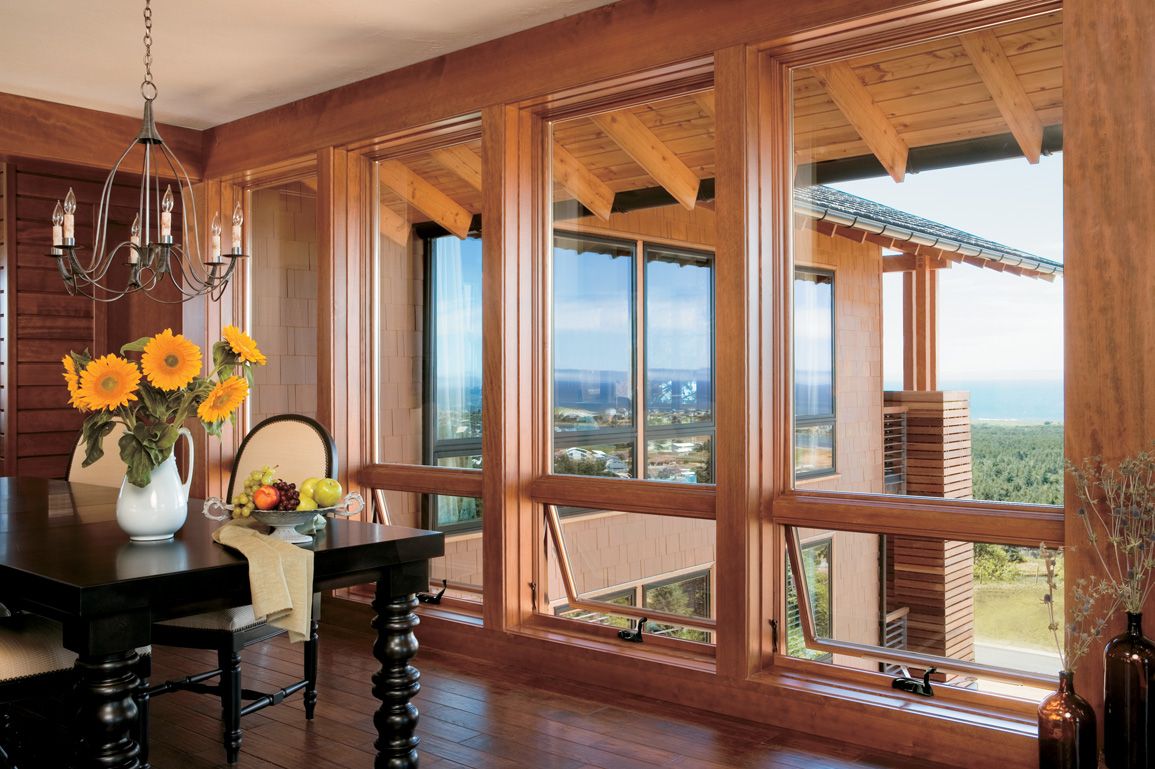
Wood Windows
Pros:
- Natural insulation
- Beautiful appearance
Consideration:
Requires more maintenance in snowy climates. Moisture exposure can shorten lifespan if not properly maintained.
Composite Frames
Designed to combine strength and insulation while reducing maintenance. A strong contender for high-altitude homes.
For homeowners replacing older windows, energy-efficient replacement windows in Denver often provide immediate comfort improvements and lower energy costs.
This is paragraph text. Click it or hit the Manage Text button to change the font, color, size, format, and more. To set up site-wide paragraph and title styles, go to Site Theme.
Window Styles That Perform Best in Denver’s Weather
Certain window styles naturally seal tighter or perform better in wind.
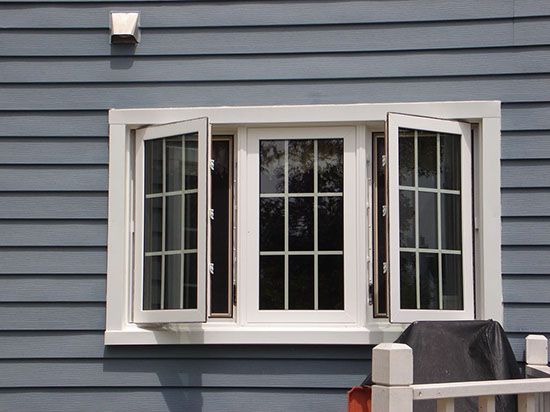
Casement Windows
- Close with compression seals
- Excellent air-tight performance
- Ideal for windy conditions
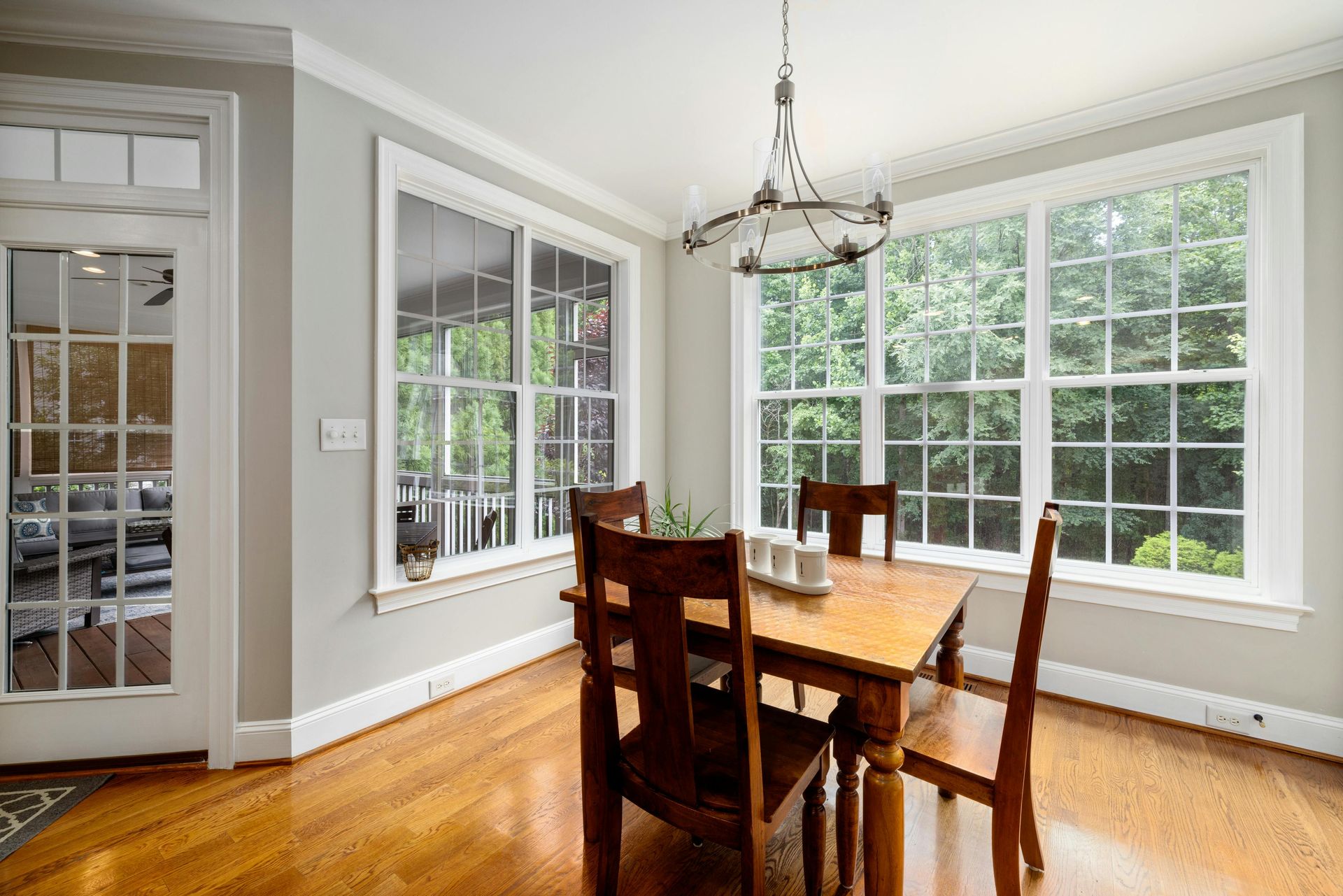
Picture Windows
- Fixed and non-operable
- Extremely energy efficient
- Great for maximizing views and solar gain
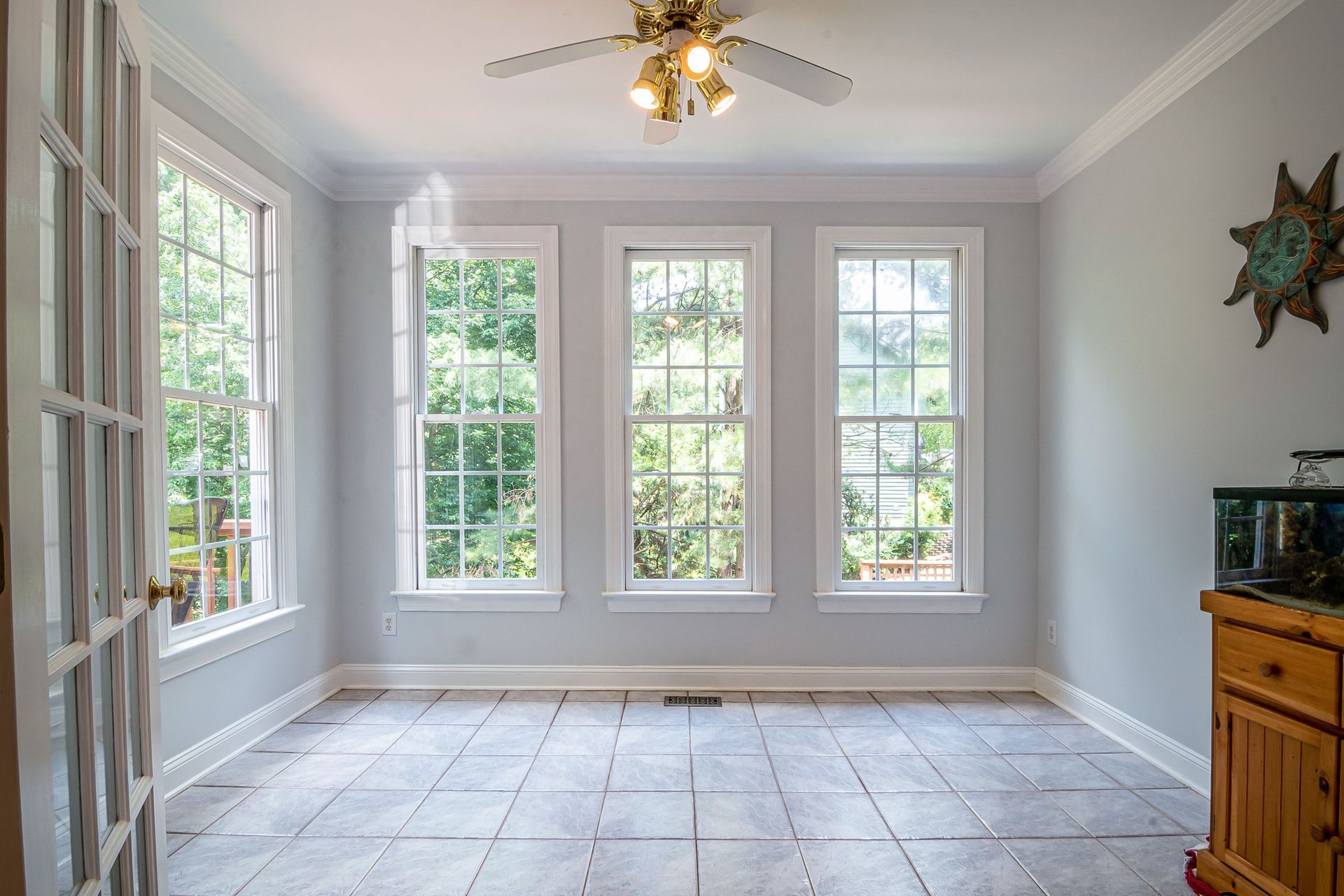
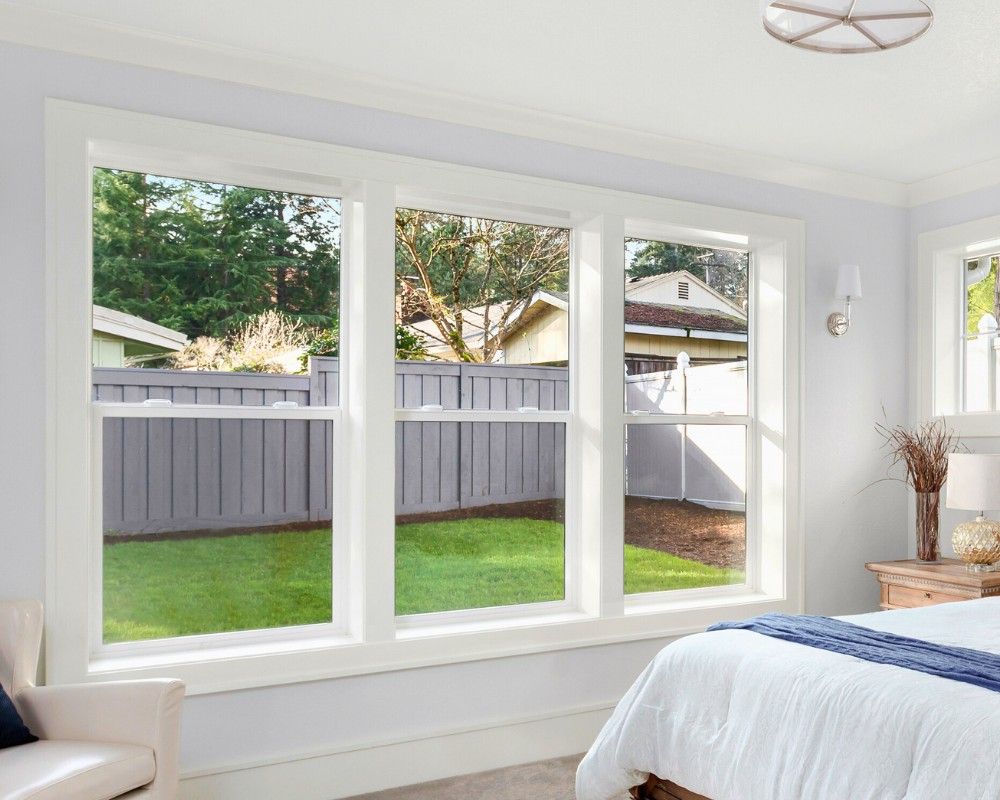
Double-Hung Windows
- Popular and versatile
- Easier cleaning
- Slightly higher air infiltration compared to casement
Sliding Windows
- Smooth operation
- Good for wide openings
- May allow more air leakage than compression-seal styles
Choosing the right style depends on ventilation needs, exposure direction, and architectural design.
This is paragraph text. Click it or hit the Manage Text button to change the font, color, size, format, and more. To set up site-wide paragraph and title styles, go to Site Theme.
Not sure if you need new windows? Look for these warning signs:
- Drafts during winter
- Condensation between panes
- Rising heating and cooling bills
- Faded flooring or furniture
- Windows difficult to open or close
- Noticeable outside noise
Older windows struggle to handle Denver’s climate demands. Modern energy-efficient models significantly improve indoor comfort.
Even the best window won’t perform properly without expert installation.
In Denver’s climate, proper installation must account for:
- Snow and moisture management
- Flashing techniques
- Air sealing
- Expansion gaps for temperature swings
Clearly Windows & Doors Colorado specializes in helping homeowners choose and install window systems designed specifically for Denver’s unique climate conditions. From frame selection to high-performance glass packages, working with a knowledgeable local team ensures long-term durabilit
Final Thoughts: What Are the Best Window Types for Denver’s Climate?
The best window types for Denver’s climate typically include:
- High-performance vinyl or fiberglass frames
- Double- or triple-pane glass with Low-E coatings
- Argon gas fills
- Low air infiltration ratings
- ENERGY STAR-certified products for Colorado’s climate zone
Every home is different. Orientation, elevation, sun exposure, and budget all influence the ideal window solution. That’s why working with a local expert who understands Denver’s unique weather patterns makes a significant difference in long-term performance.
If you're ready to upgrade your home with windows built for Denver, Colorado’s extreme conditions,
Clearly Windows & Doors Colorado can help you select the right materials, glass packages, and styles for lasting comfort and efficiency. Schedule a professional consultation to find the best solution for your home. Call 970-744-9204
Best Window Types for Denver’s Climate-FAQ's
What is the best window material for Denver’s temperature swings?
Fiberglass and high-quality Vinyl are best. Unlike wood or aluminum, these materials have low thermal expansion rates, meaning they won't warp or crack during Denver’s 50-degree daily temperature shifts, ensuring the airtight seal remains intact.
Is double-pane or triple-pane glass better for Colorado?
Double-pane Low-E glass with Argon is the most cost-effective choice for Denver. While triple-pane offers higher R-values, the added weight can stress frames at 5,280 feet. High-performance double-pane units provide the best ROI on your Xcel Energy bills.
Do Denver windows need a specific Low-E coating?
Yes. You should use Low-E 366 or equivalent. Because Denver has 25% more UV intensity than sea-level cities, this coating is essential to block solar heat gain in the summer and protect your furniture from fading without losing winter heat.
Which window style is most energy-efficient for Denver homes?
Casement windows are the most efficient. Because they clamp tightly against the weatherstripping when closed, they provide a superior seal against Denver’s high-plains winds compared to sliding or double-hung windows.
Are wood windows a good choice for the Denver area?
Only if they are aluminum-clad. Raw wood exterior windows often struggle with Colorado’s dry climate and intense sun, leading to rot and peeling. Clad-wood windows offer the interior aesthetic of wood with a durable, maintenance-free exterior.
What are "Breather Tubes" and why are they required in Denver?
Breather tubes (or capillary tubes) are small tubes installed in the window seal to equalize pressure. Since Denver’s atmospheric pressure is lower than sea-level manufacturing plants, these tubes prevent the glass from bowing or shattering upon arrival.
How do "Warm Edge Spacers" help in Colorado winters?
Warm edge spacers use non-metallic materials to separate glass panes. They are critical in Denver to prevent "edge-sweat" (condensation) and frost buildup during sub-zero winter nights, which protects your window sills from moisture damage.